TL; DR: In this article, you will learn what to look for in a severance agreement, including pay, claim releases, confidentiality clauses, and signing deadlines.
You Got the Envelope. Now what?
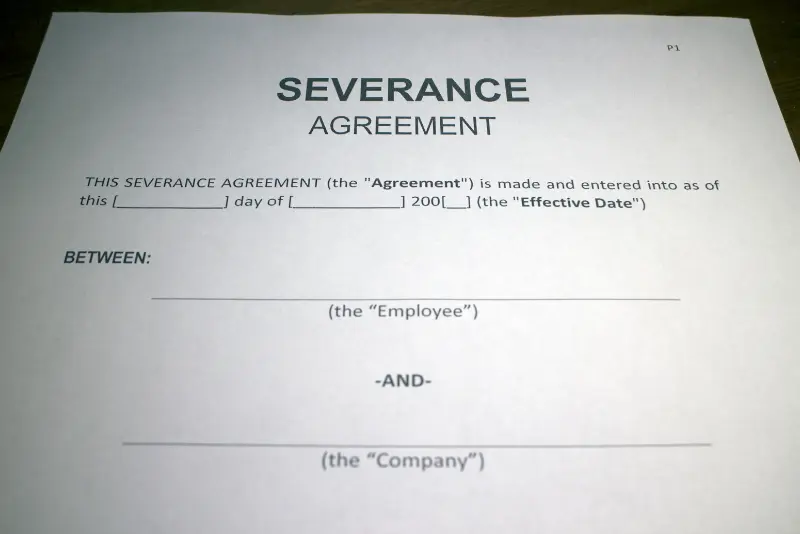
Your boss calls you into a room. A folder sits on the table. Your stomach drops. You already know what it is. It is a severance agreement, and you have been told to sign it by Friday.
Does that sound familiar? You are not alone, and you are not overreacting. This paper can decide how you pay rent next month, whether you can sue your old employer, or whether you can work for a competitor. So, what should you look for in a severance agreement before signing it? Start with the pay, the rights you are giving up, and the clock ticking on your decision.
A severance review lawyer can help you understand these terms and identify provisions that may affect your rights. Let’s walk through the agreement, piece by piece.
1. Why Severance Agreement Clauses Matter Most
Severance agreement clauses matter because they determine what you receive and which rights you may give up in exchange. Pay, benefits, confidentiality, non-disparagement, arbitration, and the release of claims can all affect your future. Some provisions may limit where you can work, what you can discuss, or whether you can pursue certain claims against your former employer. That is why it is important to understand every clause before signing. Severance Review Lawyer team is here to review the agreement and help you understand the terms that may affect your rights.
2. How to Identify Red Flags in Severance
Some red flags are obvious. Others hide inside ordinary-sounding language. Watch for:
- A non-disparagement clause with no exception for reporting illegal conduct
- Confidentiality terms that ban you from discussing your own pay
- A release covering “any claims” with no limits
- A rushed deadline that leaves no real time to think
These red flags can have serious legal consequences. Overly broad non-disparagement or confidentiality clauses may restrict your rights or prevent you from speaking about certain workplace issues. A red flag is not just a bad feeling; it can signal a provision that deserves careful review before you sign
3. Is There a Severance Agreement Checklist
Yes, and it starts with one question: what are you giving up, and what are you getting back? A solid checklist should cover your severance pay, benefits continuation, unemployment eligibility, references, and the release of claims. The U.S. Equal Employment Opportunity Commission (EEOC) explains that severance waivers should clearly identify the rights being waived and meet specific requirements, particularly when discrimination claims are involved. A checklist helps you understand everything you need to know to catch important provisions before you sign. However, every agreement should still be reviewed based on its specific language and circumstances.
4. How to Check Things before Signing Severance
Before you sign, check three things in order. First, the deadline. Second, what the confidentiality clause actually restricts. Third, whether the agreement still lets you speak up about anything unlawful at work.
California takes that last point seriously. The state’s Civil Rights Department confirms that separation agreements cannot silence employees from discussing harassment, discrimination, or retaliation under the Silenced No More Act. A clause that tries to gag you about unlawful conduct is not enforceable, no matter how official it looks.
5. Why Severance Agreement Review Tips Help
Severance agreement review tips help you spot important terms you might miss when reading the agreement quickly or under stress. They can draw attention to broad releases, confidentiality requirements, non-disparagement clauses, deadlines, and other provisions that may affect your rights. Taking time to review each clause carefully can help you understand what you are receiving and what you may be giving up before signing. Severance Agreement Review Lawyer can also help you review the agreement and identify terms that deserve closer attention.
6. Is Hiring a Severance Lawyer Worth It
Hiring a severance lawyer can be worthwhile when you want to understand exactly what an agreement means before giving up important rights. Severance Review Lawyer focuses on several areas of severance-related help. Severance Agreement Reviews involve examining the agreement for provisions that may affect your pay, benefits, rights, or future employment .Negotiation & Better Offers focuses on helping you understand whether the initial offer can be improved and which terms may be worth negotiating. Waivers & Rights Protection helps you identify the claims and rights you may be giving up and understand how the agreement affects those rights. If a problem arises after an agreement has been signed or an employer fails to follow its terms, Severance Disputes & Legal Action addresses potential next steps and available legal options. Together, these services can give you a clearer understanding of your agreement before you make a decision that may affect your future.
Frequently Asked Questions
Should I sign my severance agreement the same day I get it?
Not necessarily. Most agreements give you days, sometimes weeks, to review the terms first.
Can my employer stop me from discussing discrimination I saw at work?
No. California law does not allow that. A clause silencing you about unlawful conduct is generally unenforceable.
Does signing severance mean I lose unemployment benefits?
Not automatically. Severance and unemployment are usually handled separately, but wording can affect this.
What if I already signed and now have questions?
You may still have options, especially if you signed under pressure or the agreement conflicts with a legal rule.
Is severance pay negotiable, or is the first offer final?
It is often negotiable. Employers frequently build room into their first offer.
Should everyone consult an attorney, even for a simple-looking agreement? Simple-looking agreements can still hide a significant waiver in plain language.
How long does a severance agreement review typically take?
Most reviews are completed within a matter of days, well before most deadlines.
Key Takeaways
- Review the severance pay, benefits, release of claims, and signing deadline before you sign.
- Watch for red flags such as broad confidentiality, non-disparagement, and claim-release clauses.
- Check whether the agreement limits your ability to discuss workplace issues or pursue certain claims.
- Use a severance agreement checklist to understand what you are receiving and what rights you may be giving up.
- A severance review lawyer can help review the agreement, explain key terms, and discuss your available options.
Do Not Let One Signature Undo Years of Work
A severance agreement can affect your pay, benefits, future employment, and legal rights, so signing it without understanding the terms can have lasting consequences. Before you sign, review the compensation being offered, the release of claims, confidentiality and non-disparagement clauses, deadlines, and any other restrictions that could affect your future. Watch for broad waivers, unclear language, and provisions that may limit your rights. A careful review can help you understand what you are receiving and what you may be giving up.
If you have received a severance agreement and want help understanding its terms, a Severance Review Lawyer can review the agreement, explain important provisions, and help you understand your options.
Contact Severance Review Lawyer today to request a free, confidential case review before you sign.