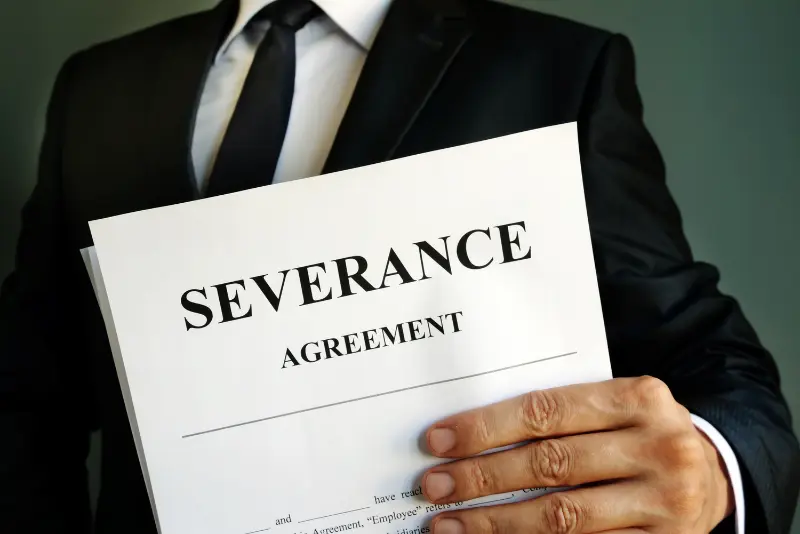
TL; DR: This blog discusses what happens if you don’t sign a severance agreement, including what you may lose, what rights you keep, and what to consider before deciding.
You Lost Your Job. Now what?
Losing a job stings. It hits your wallet, your pride, and your Monday routine all at once. Then, just as you catch your breath, HR slides a thick packet across the table and says, “Sign by Friday.” Should you sign it? Should you wait? What happens if you don’t sign a severance agreement at all?
At Severance Review Lawyer, we help employees understand what a severance agreement means before they sign. The short answer is simple: nothing dramatic happens right away. You generally keep your legal rights, but you may lose the extra severance pay and benefits offered in exchange for your signature.
Let’s walk through it plainly before you pick up the pen.
1. Why Do Employers Offer Severance Agreements in the First Place?
Companies don’t hand out severance pay out of kindness. They offer it because it can protect them. In exchange, you usually agree to release your right to sue over things like wrongful termination, discrimination, or unpaid wages. Your employer is offering money in exchange for your agreement to give up certain legal claims and move forward without a dispute.
Before agreeing to those terms, it is important to understand exactly what you are giving up. Severance Review Lawyer has Severance Agreement Review Lawyers who can review your agreement, explain the terms, and help you understand your rights before you sign. A careful review can help you spot release clauses, confidentiality terms, or other provisions that may affect your legal rights.
2. Is It Legal to Refuse a Severance Agreement?
Yes. In almost every case, signing is a choice, not a requirement. Unless a union contract or employment agreement says otherwise, you can decline and walk away with what you’re already legally owed, such as your final paycheck and unused vacation pay.
Employers also can’t use scare tactics or unfair contract language to punish you for refusing. This became clear through a major ruling from the National Labor Relations Board. In McLaren Macomb, the Board found that overly broad confidentiality or non-disparagement clauses in a severance agreement can be unlawful, even if the employee never signs anything. The law backs your right to read, question, and reject unfair terms.
3. Can an Employer Withdraw the Severance Offer Later?
A severance offer is not always locked in while you think it over. Depending on the circumstances and the terms of the offer, an employer may be able to withdraw or change it before the agreement is signed. This is why it is important to review the offer promptly and check whether it includes an expiration date.
If you’re 40 or older, additional federal protections may apply when a severance agreement asks you to waive age-discrimination claims. Under the Older Workers Benefit Protection Act, a qualifying agreement generally must give you at least 21 days to consider the offer and 7 days after signing to revoke it.
A few things can help you avoid unnecessary delays:
- Ask for the offer in writing and confirm the deadline.
- Review the agreement as soon as possible.
- Get legal advice promptly if you have questions about the terms.
4. What Happens If You Miss the Severance Deadline?
If you miss the deadline to sign a severance agreement, the employer may withdraw the offer, and you could lose the opportunity to receive the severance benefits offered in the agreement. The exact result depends on the terms of the offer and the circumstances of your employment.
Missing the deadline does not necessarily mean you have no options. If you are unsure whether the offer has expired or whether the employer will still honor it, Severance Review Lawyer has skilled attorneys who can review the agreement and your situation and help you understand what options may still be available.
If the deadline has already passed and you believe the employer violated your rights or failed to follow the terms of the offer, you may also need legal help to understand your rights and determine what steps you can take.
The key is to act as soon as possible. Waiting too long can limit your options, so getting the agreement reviewed promptly can help you avoid losing benefits unnecessarily.
5. What Are the Risks of Not Signing?
If you don’t sign a severance agreement, you may lose the extra severance pay, continued benefits, or other compensation offered in exchange for signing. The employer may also decide not to extend the offer again after the deadline.
Signing, however, can also have important consequences. A severance agreement may require you to release certain legal claims against your employer, including claims related to discrimination, harassment, or wrongful termination. The exact rights you give up depend on the language of the agreement and the law that applies to your situation.
That is why neither signing nor refusing to sign should be treated as an automatically safe choice. Before making a decision, carefully review what you are receiving, what rights you may be giving up, and whether any terms could affect you later.
A Severance Review Lawyer can help you get what you are owed and also help you understand these terms and identify potential concerns before you sign or reject the agreement.
6. How to Negotiate a Better Severance Package?
A severance offer is not always the final amount or terms an employer is willing to provide. Depending on the circumstances, you may be able to negotiate for better pay, extended benefits, or changes to certain agreement terms.
When negotiating, consider more than just the amount of severance pay. You may be able to:
- Ask for additional weeks of pay based on your role and length of employment.
- Request extended health coverage or other benefits.
- Ask whether unused benefits or other compensation can be included.
- Request changes to overly broad release, confidentiality, or non-disparagement terms where appropriate.
Before making a counteroffer, review the full agreement and understand what you are giving up in exchange for the additional benefits. Our Negotiation & Better Offers team can review your offer, identify areas that may be negotiable, and help you understand your options.
Frequently Asked Questions
Do I have to sign a severance agreement to get my final paycheck?
No. Your final wages and unused vacation belong to you either way. Severance is the extra amount tied to your signature, not your regular pay.
What happens if you don’t sign a severance agreement and just ignore it?
The offer usually expires on its own. You keep your legal rights, but you lose the extra severance money on the table.
Can I negotiate after I’ve already signed?
Almost never. Once signed, the agreement is typically final and binding—review before signing matters more than regret after.
Will refusing to sign make my former employer retaliate?
Retaliation for refusing to sign can create legal exposure for the employer. Staying calm and understanding your options protects you either way.
How long do I usually get to think it over, and can I trust a verbal promise from HR?
Workers 40 and older typically get at least 21 days under federal rules, while others may get far less time. Either way, if a promise isn’t written into the agreement itself, it likely doesn’t exist legally.
What can a Free Case Evaluation actually tell me?
It can walk you through what you’re being asked to give up, what the offer is really worth, and whether the terms are fair so that you can decide with full information.
Key Takeaways
- You generally do not have to sign a severance agreement, but refusing may mean losing the extra severance pay and benefits offered in exchange for signing.
- Missing the signing deadline can cause the severance offer to expire, although your options may depend on the terms of the offer and your circumstances.
- Signing a severance agreement may mean giving up certain legal claims, so review the release and other terms carefully before signing.
- Severance packages may be negotiable, including the amount of pay, benefits, and certain agreement terms.
- If you’re unsure whether to sign, reject, or negotiate a severance agreement, a legal review can help you understand your rights, obligations, and available options.
Don’t Let One Signature Cost You What You’re Really Owed
So, what happens if you don’t sign a severance agreement? You keep your rights but lose the money attached to giving them up. That trade deserves real thought, not a rushed decision under a Friday deadline.
That’s the purpose behind Severance Review Lawyer. Our Practice Areas page outlines how we support employees, from Severance Agreement Reviews that catch hidden traps to Waivers & Rights Protection that helps prevent you from signing away claims you don’t yet know you have. If an employer has already acted unfairly, our Severance Disputes & Legal Action team steps in. If the number on the table isn’t fair, our Negotiation & Better Offers team pushes back for you.
Check our Areas We Serve to see whether we provide severance review services in your part of California.
Don’t sign until you’re sure. Contact Us to request a free, confidential case review and understand your options before signing.